Safety is a plan, not a promise
Trekking, camping and rafting carry real risk. We cannot remove it, but we plan carefully to reduce it.
Guide ratio
At least one trained guide for every eight trekkers, plus a trek leader on every batch.
Mountain first aid
Guides hold a wilderness or mountain first-aid course certificate, refreshed every two years.
Daily health checks
Oxygen level and pulse checked morning and evening above 3,000 m, with a written log.
Oxygen & kit
Portable oxygen, a stretcher and a full first-aid kit travel with every high-altitude batch.
Acclimatisation
Itineraries gain height gradually, with a buffer day built into the longer treks.
Turn-around rule
If the weather, the trail or someone's health is not right, the guide turns the group back. The summit can wait.
Local people who know these mountains
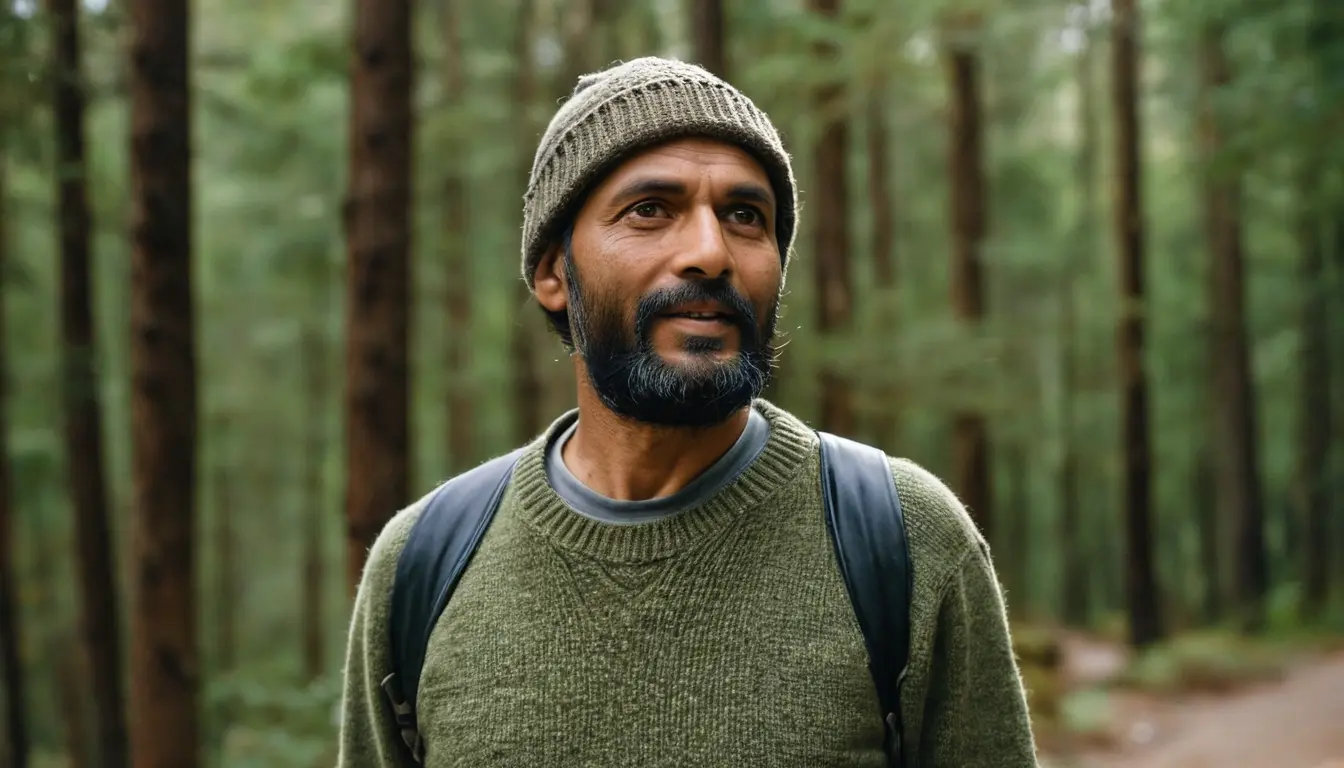
Pramod Rawat
Trek leader · Treks since 2012
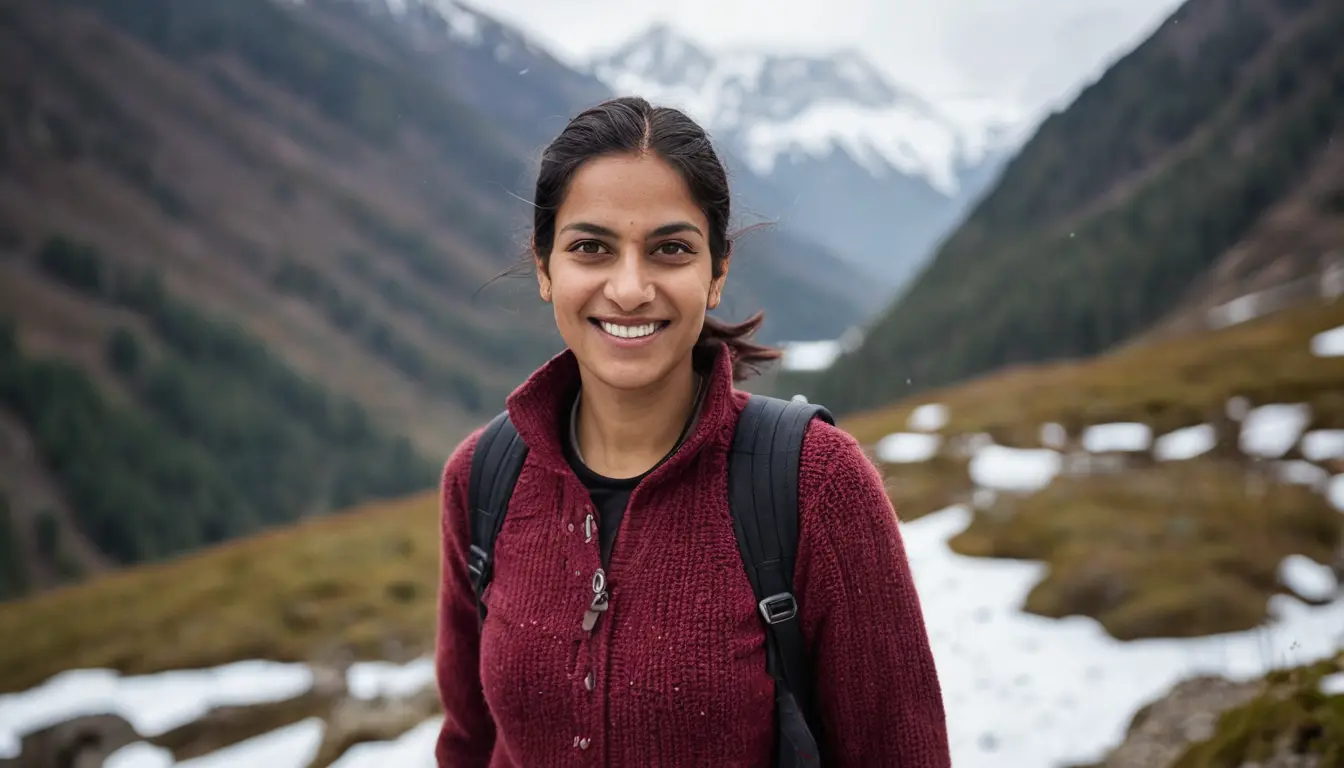
Kavita Negi
Trek guide · Winter treks specialist
Deepak Bisht
River guide · Rafting team lead
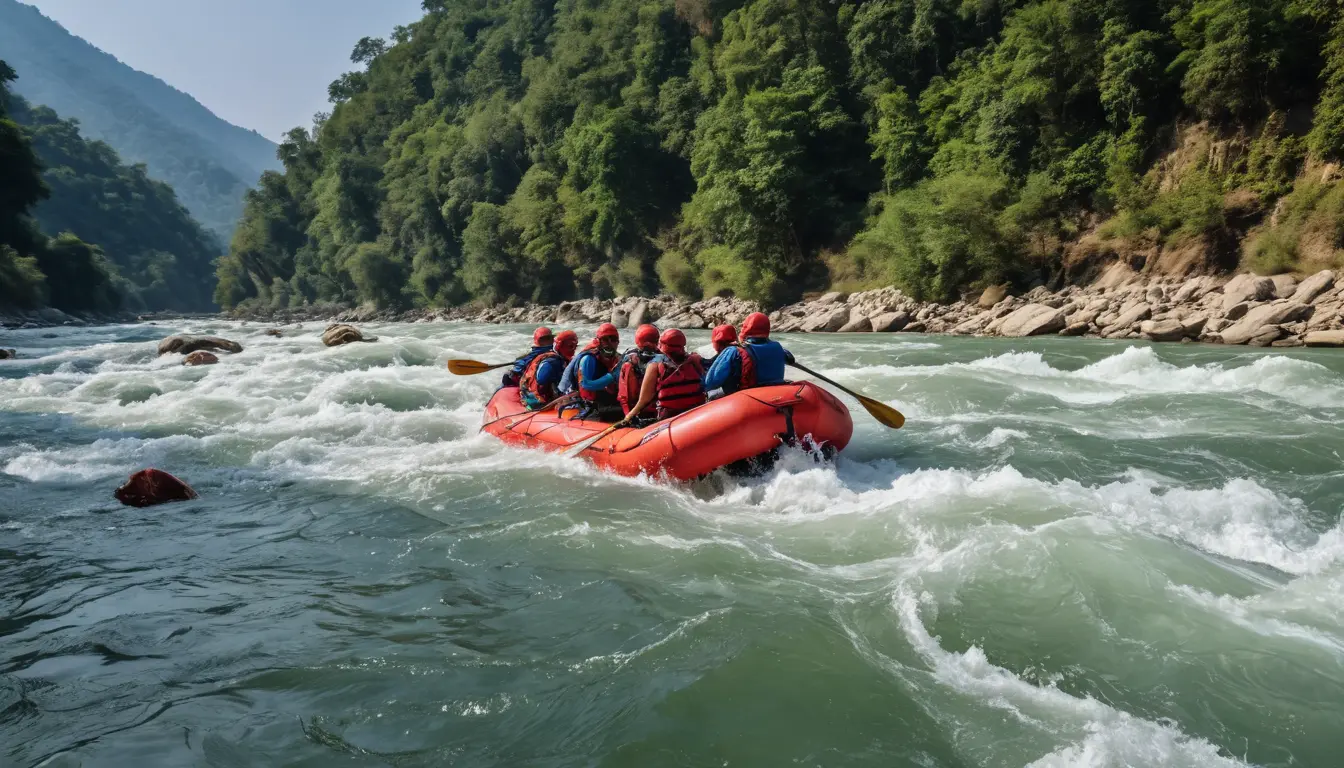
Rafting safety
- Helmet and life jacket for every rafter, checked before launch
- Safety briefing and paddle drill on the beach
- A trained river guide steers every raft
- A safety kayaker on longer runs
- Minimum age 14; runs paused when the river is too high
Your part
- Tell us about any medical condition or medicine you take
- Follow the guide's pace and instructions on the trail
- Carry the items on our packing list
- Buy travel insurance that covers trekking
- No alcohol or smoking on treks and in rafts
If a trip is cut short because of weather, landslides, river levels or a government order, we offer another date or a partial refund as set out in the booking terms. Altitude sickness can affect anyone, however fit: please read the health advice we send before your trek and speak to your doctor if you have any concerns.